



Wood Design Inspiration: Explore the Latest in Sustainable Architecture
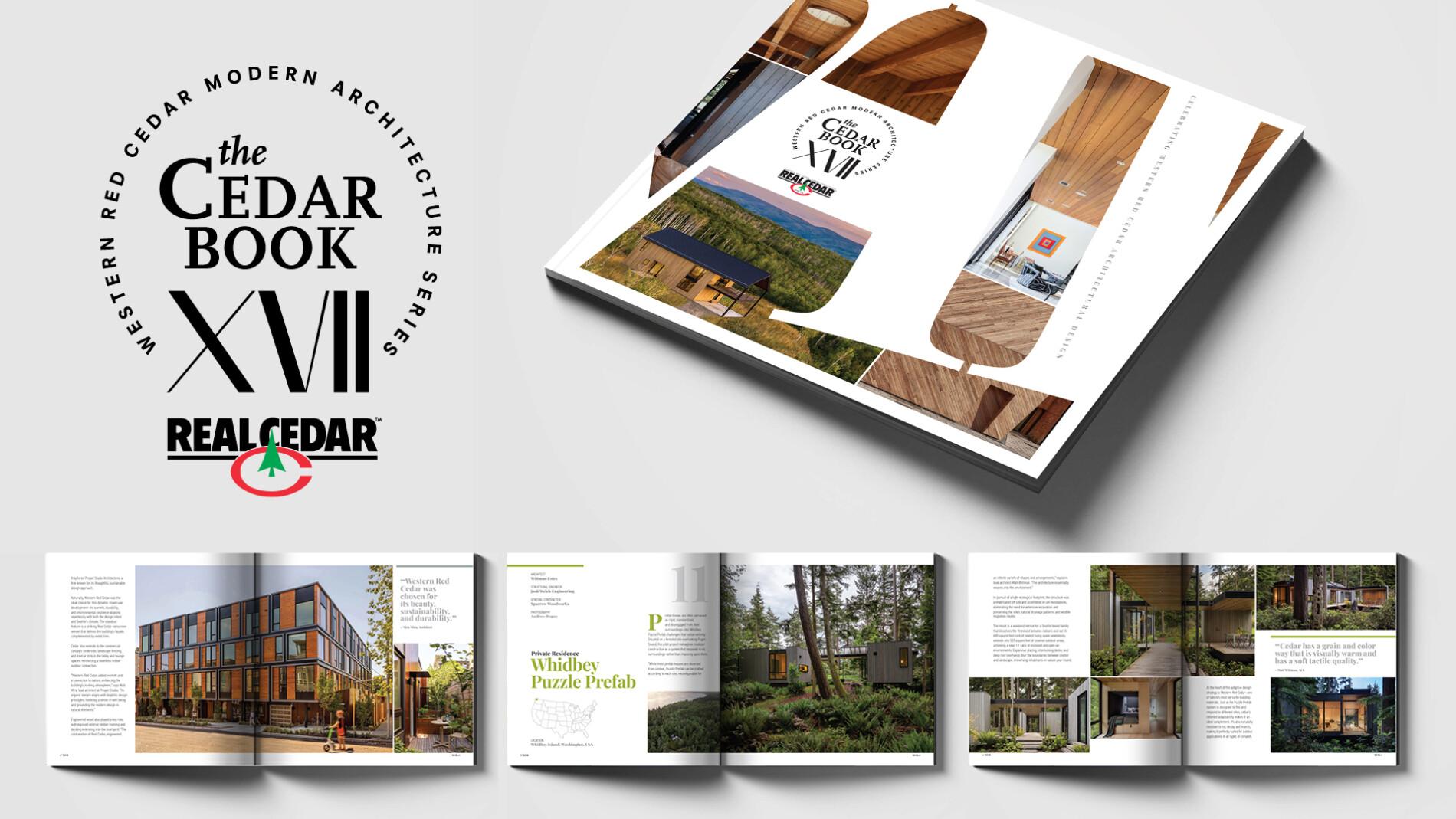
Cedar Book XVII has arrived! Tour a stunning showcase of Real Cedar projects.
When it comes to celebrating excellence in wood design, Western Red Cedar stands out as a triple threat: sustainable, durable, and visually stunning. Its warmth, resilience, and natural beauty make it a go-to choice for architects looking to design spaces that foster connection—to nature, to community, and to timeless craftsmanship.
In Cedar Book XVII, we highlight how today’s leading building professionals are advancing biophilic design, mass timber construction, and sustainable material innovation—all with Real Cedar at the core. More than just a collection of inspiring projects, this edition serves as an essential resource for forward-thinking architects and engineers, offering insights and ideas on building a greener future.
From large-scale urban developments to intimate retreats, each featured project demonstrates how this exceptionally versatile material continues to shape modern architecture in purposeful, eco-conscious ways.
Innovating with Real Cedar in Modern Design
This year’s edition opens with a foreword by Nick Mira, RA, of Propel Studio. The award-winning architect thoughtfully sets the stage for a diverse showcase of projects that leverage cedar to achieve their design goals across various settings. Among them is his own project, The Wilder Apartments in Seattle, which demonstrates cedar’s versatility in multifamily housing within an urban context. The design embraces a material palette that balances natural warmth with modern construction, reflecting the growing trend of integrating Real Cedar with mass timber and engineered wood.
“The combination of Real Cedar, engineered wood, and glulam beams enhances both aesthetics and structural integrity, creating a modern yet organic feel that ties the project together,” says Mira.
Building Healthier Spaces with Biophilic Design
This book also highlights how Real Cedar supports biophilic design, fostering stronger connections between built environments and nature. This approach is beautifully exemplified by Bunkie on the Hill, an award-winning Dubbeldam Architecture + Design project that reimagines the classic A-frame cabin with a bold, modern twist. Nestled in Ontario’s rugged Muskoka landscape, this 1,000-square-foot guest retreat blends seamlessly into its surroundings while making a striking architectural statement.
“Real Cedar’s organic beauty echoes the colors and textures of the surrounding landscape,” says Heather Dubbeldam, Principal of Dubbeldam Architecture + Design. “Its natural wood grain and warm tones create a calming atmosphere that enhances the occupants’ well-being, while its durability ensures it will endure for years to come.”
Advancing Green Building with Sustainable Cedar
As the chapters unfold, another theme emerges: architects are increasingly turning to Real Cedar to reduce their projects’ carbon footprints. Renowned for its renewability, inherent durability, and minimal environmental impact, it stands among today’s most responsible building materials. This ethos defines Brett Farrow’s residential project in Encinitas, California, where cedar shapes both the home’s visual identity and its sustainable credentials.
“It feels good knowing that this material is not synthetic, can be regrown, and captures carbon,” says Brett Farrow, Architect and Principal of Brett Farrow Architect & Development before adding, “Cedar as a material and an exterior finish also sends a message that this home involves craftsmanship.”
Inspiring Architects with a Must-Have Resource
The projects featured in this edition underscore Real Cedar’s continued relevance in contemporary design, showcasing its versatility and essential role in sustainable, high-performance buildings. Architects consistently select cedar for its unique ability to blend environmental responsibility with timeless beauty. Mira’s introduction to the book captures this shared vision, as he invites fellow architects to consider the revered wood’s deeper significance:
“This book celebrates cedar in all its forms, exploring why architects continue to choose it as a defining material in high-performance, sustainable design,” says Mira. “I hope these pages inspire you to see cedar not just as a building material, but as a reflection of the organic world we inhabit and our place within it.”
For more inspiration and expert insights on how Real Cedar can elevate your next project, download a digital copy of Cedar Book XVII today!