Real Cedar History
The Long History of Cedar
The hallmark characteristic of Western Red Cedar, its natural durability, has preserved examples of native culture for more than 100 years.
B.C.’s Pacific Coast Aboriginal People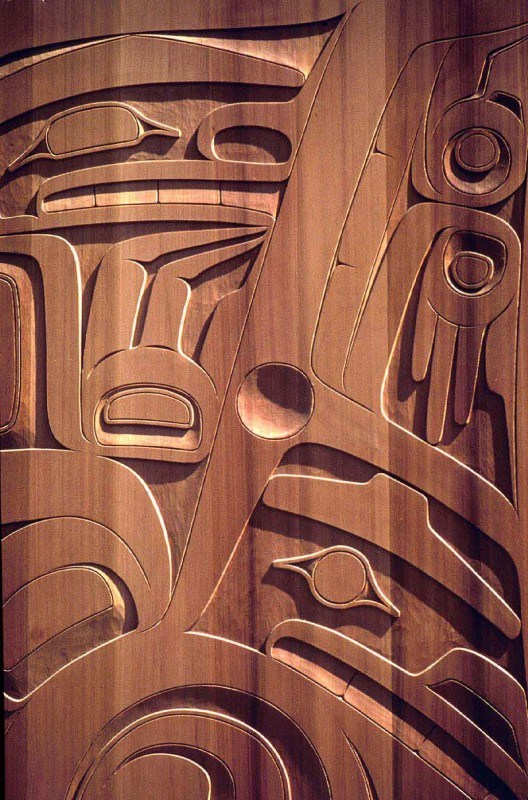
Western Red Cedar, a wood with roots of use that date back centuries to the Native Americans who first named it the “Tree of Life.”
First Uses of Cedar Bark and Logs
Along B.C.’s Pacific Coast, aboriginal people have used cedar bark to make rope, clothing and baskets for thousands of years. The logs are used for a variety of purposes, including canoes, totem poles, masks and long houses. Native Americans would also remove large slabs of outer bark from living trees for roofing materials or cut a rectangular hole into a tree to test its soundness before cutting it for a canoe or totem pole.
Working Together to Preserve Heritage
Trees that have been scarred due to a First Nation’s cultural activity are known as culturally modified trees. Those trees with modifications that pre-date 1846 are considered archeological sites and are protected under the Heritage Conservation Act. Forest companies frequently take steps to help First Nations obtain cedar logs or other species from their harvest for traditional or cultural uses.